


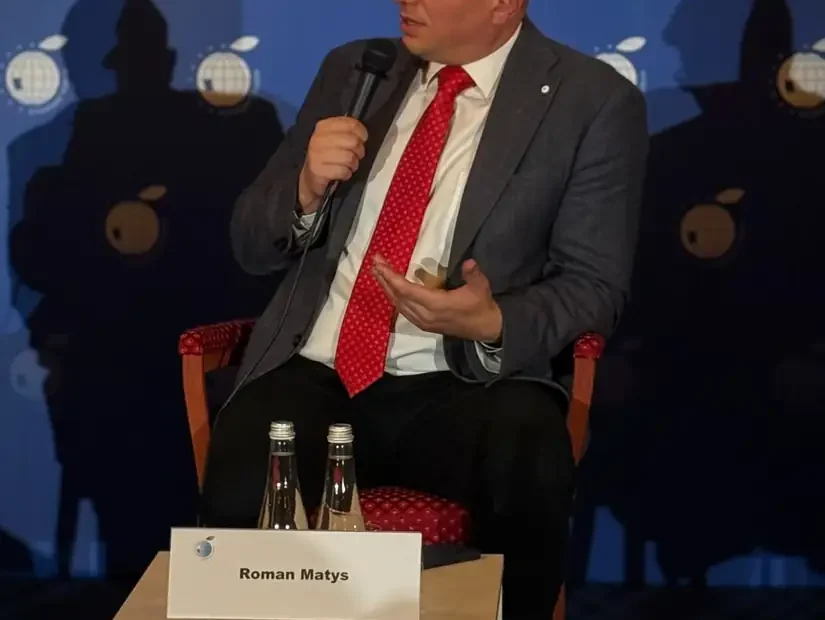
The Ukrainian urbanism outlet Hmarochos asked Roman Matys, President of the International Investment Office, to comment on Lviv’s first social housing projects funded by the European Investment Bank, on Mykolaichuka Street and in Riasne-2. Roman Matys believes that building hundreds of social flats in one place is risky and proposes spreading them across ordinary residential developments. Urban planners in the US, France and Austria reached the same conclusion years ago.
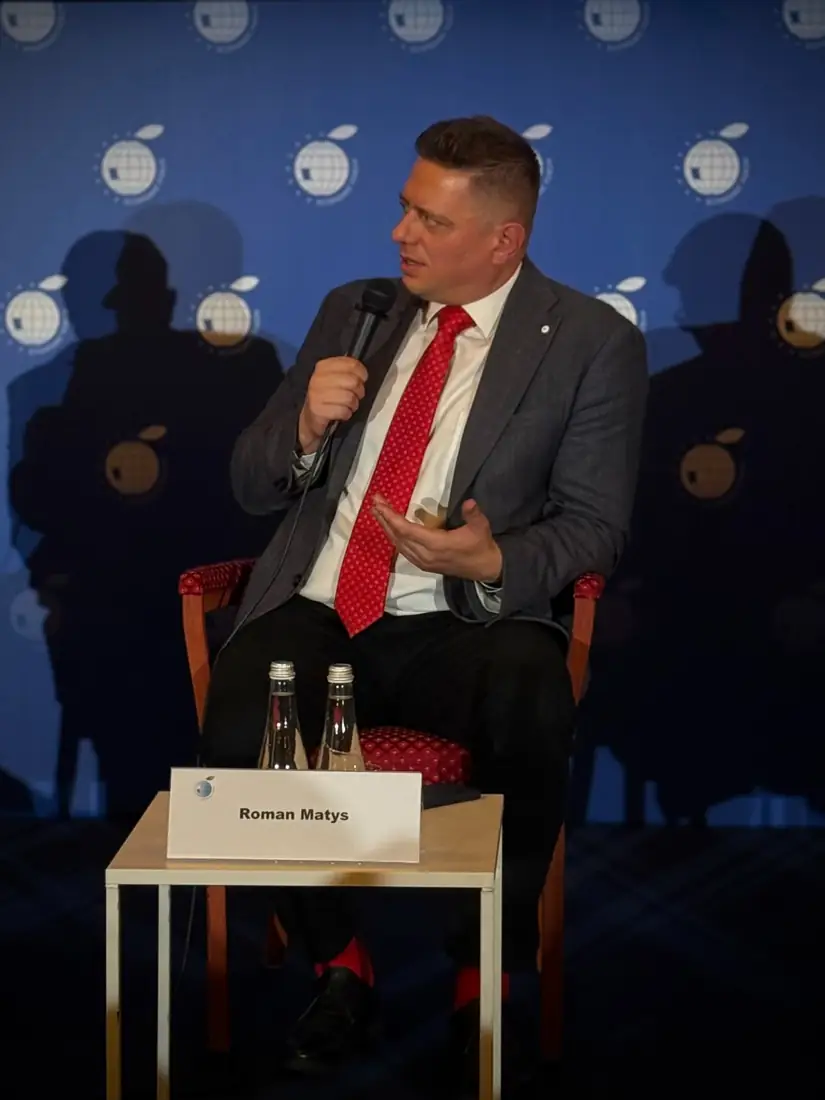
On 23 November Hmarochos published the article “Enclaves or neighbourhoods for everyone: why Lviv’s first social housing projects are being criticised”. It covers the two sites where the city is starting to build municipal rental housing.
Social housing in Lviv: what is planned on Mykolaichuka Street and in Riasne-2
On Ivana Mykolaichuka Street, next to the Unbroken rehabilitation centre, around 1,000 flats for about 2,000 residents are planned on a 3.8-hectare site. The competition was won by AVR Development. The design includes mid-rise blocks, open courtyards, a pedestrian promenade and two new streets.
In Riasne-2, on Ivana Velychkovskoho Street, 300 flats in seven-storey buildings are planned on two plots totalling 1 hectare. At least half will go to displaced people from Mariupol.
The money comes from an EIB and EU pilot programme: a €50 million EIB loan and €50 million in EU grants for more than 1,500 families in several communities. The conditions are strict: buying ready-made flats or land is not allowed, and the housing must stay in municipal ownership. The flats will be rented to internally displaced people, veterans, families of fallen soldiers, doctors and municipal workers, and cannot be privatised.
Roman Matys’s position: mixed development instead of enclaves
Roman Matys has no objection to the housing already built for Unbroken patients. What worries him is the plan to scale this model up to hundreds and thousands of flats in one location.
“People seem to live in the city, but they don’t live the city – they live in their own enclave,” he says, describing the risk of isolation.
In his view, Riasne will be the hardest case, because Shevchenka Street is already overloaded. As an alternative, Roman Matys proposes mixed development: “It’s better when three or five of every hundred newly built flats are social.” A doctor or a municipal worker could then get a home near their job rather than wherever the city happened to find a vacant plot.
He also believes the city should have negotiated a different model with the EIB from the start, including buying shares in private developers’ projects. “The problem is setting limits on yourself,” says Roman Matys.
What the city and urbanists say
City representatives told Hmarochos that the sites comply with Lviv’s 2010 master plan and that the competitions assessed functional diversity and public space. Urbanist Oleksandr Anisimov points out that tight deadlines and lender requirements make it impossible to spread funding across shares in different buildings.
The international experience the outlet cites is closer to Roman Matys’s position.
United States. Demolition of the Pruitt-Igoe housing project in St. Louis began in 1972, less than 20 years after people moved in. Architectural historian Charles Jencks called it a symbol of the failure of isolated housing for vulnerable groups. In the 1990s the federal HOPE VI programme began replacing such estates with mixed-income neighbourhoods.
France. Sociologist Loïc Wacquant described the “territorial stigmatisation” of the large housing estates on the outskirts of Paris, Lyon and Marseille. Since 2000 the SRU law has required large municipalities to have 20–25% social housing spread across the city.
Vienna. Here municipal flats are built into ordinary neighbourhoods. Johannes Tovatt, planner of Vienna’s Seestadt Aspern district, says stigmatisation can only be avoided where different housing types and social groups are mixed.
In other words, what Roman Matys proposes for Lviv has already been tested in St. Louis, Paris and Vienna, and has become standard practice there.
Why it matters now
Lviv’s projects are the first in Ukraine to receive funding under this programme, and other communities will follow their example. A mistake in where the housing goes would take decades to fix, so the model should be agreed now, while the buildings are still on paper.
Roman Matys is President of the International Investment Office, founder of the International Economic Forum in Lviv and author of the “Lviv Region: Factory of Europe” strategy.
Frequently asked questions
On Ivana Mykolaichuka Street (about 1,000 flats on 3.8 ha) and in Riasne-2 on Ivana Velychkovskoho Street (300 flats on 1 ha). Funding comes from a €100 million EIB and EU pilot programme.
Mixed development: spreading social flats across ordinary residential developments, for example three to five per hundred flats, and negotiating with the EIB to buy shares in private developers’ projects.
Pruitt-Igoe in the US and the large estates on the outskirts of French cities showed that isolated districts for vulnerable groups are quickly stigmatised. That is why the US, France and Vienna moved to mixed neighbourhoods.
Under Cabinet of Ministers Resolution No. 796: internally displaced people, veterans, families of fallen soldiers, and public and municipal sector workers. The flats cannot be privatised.