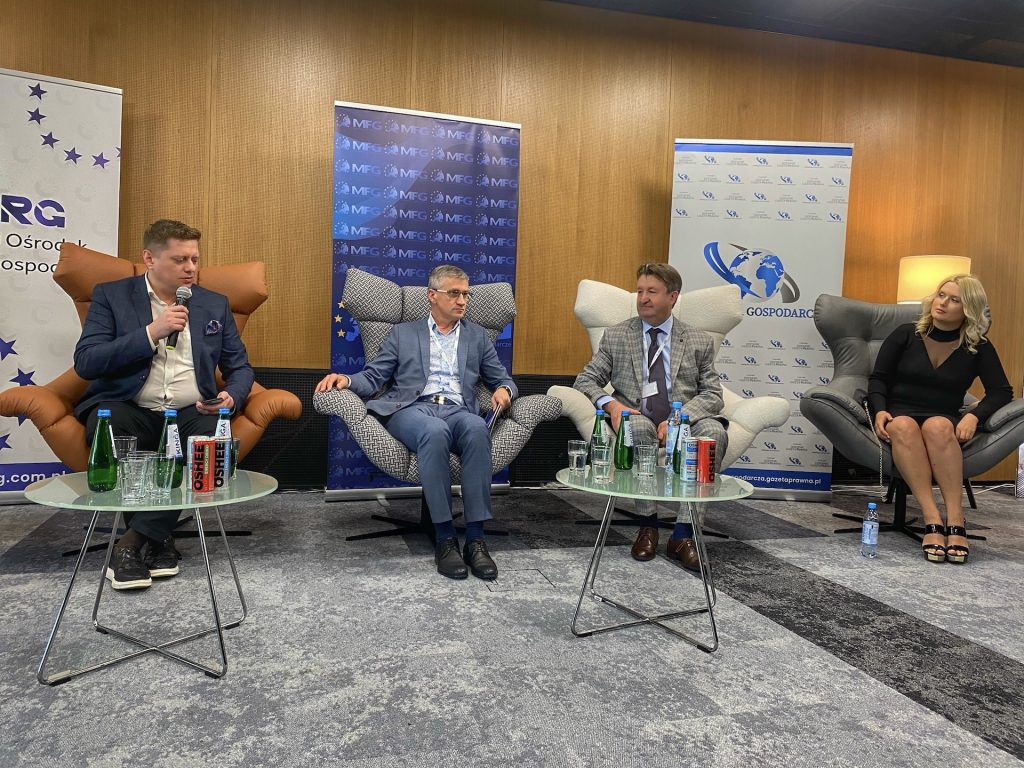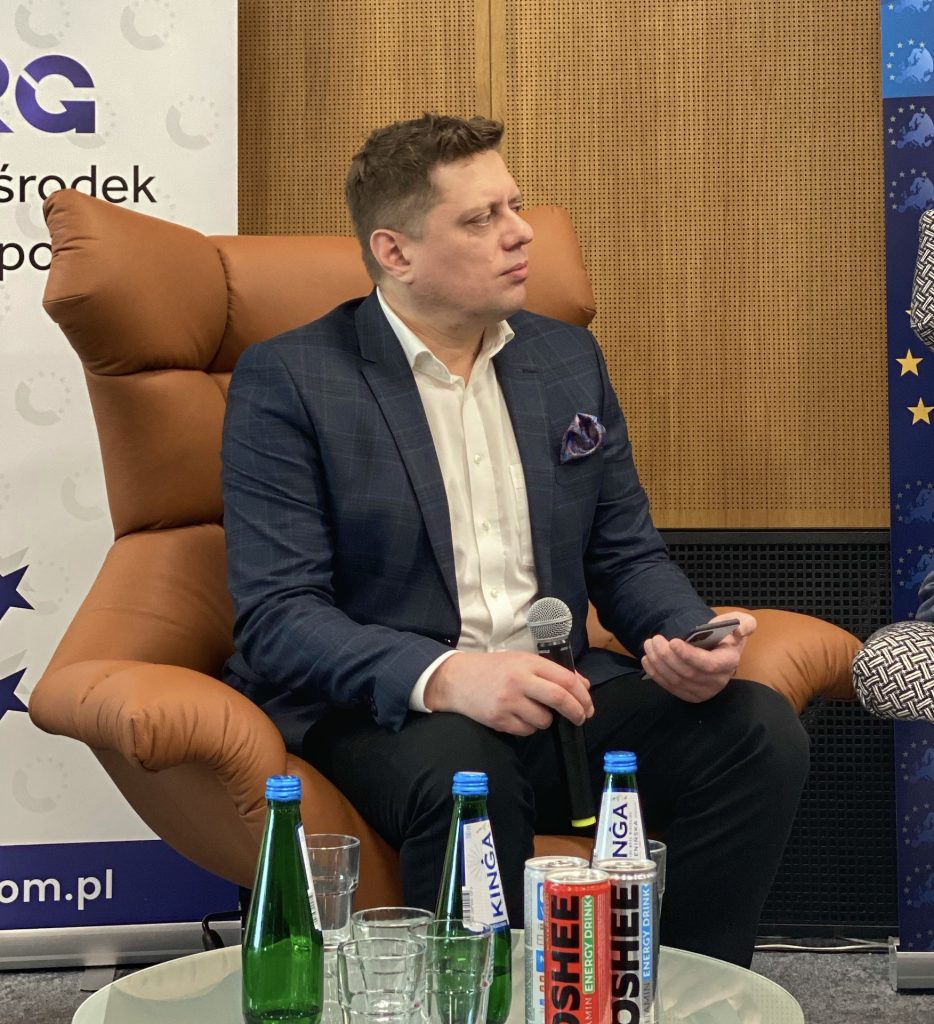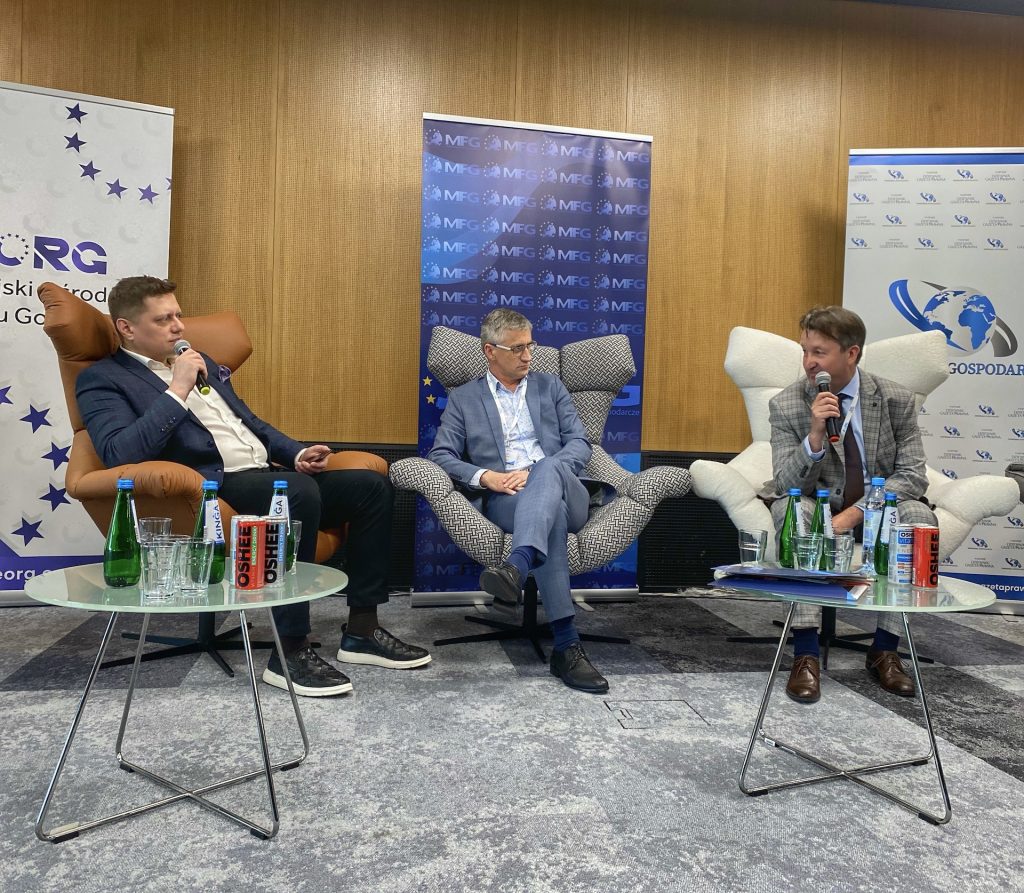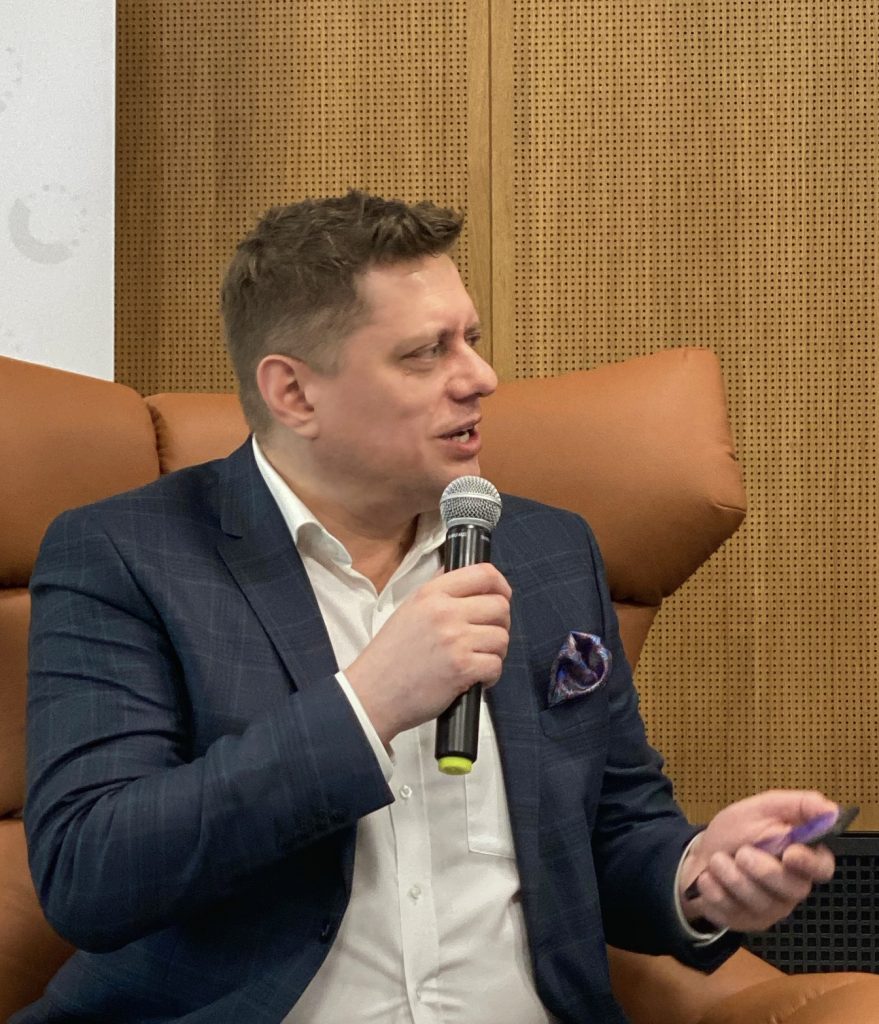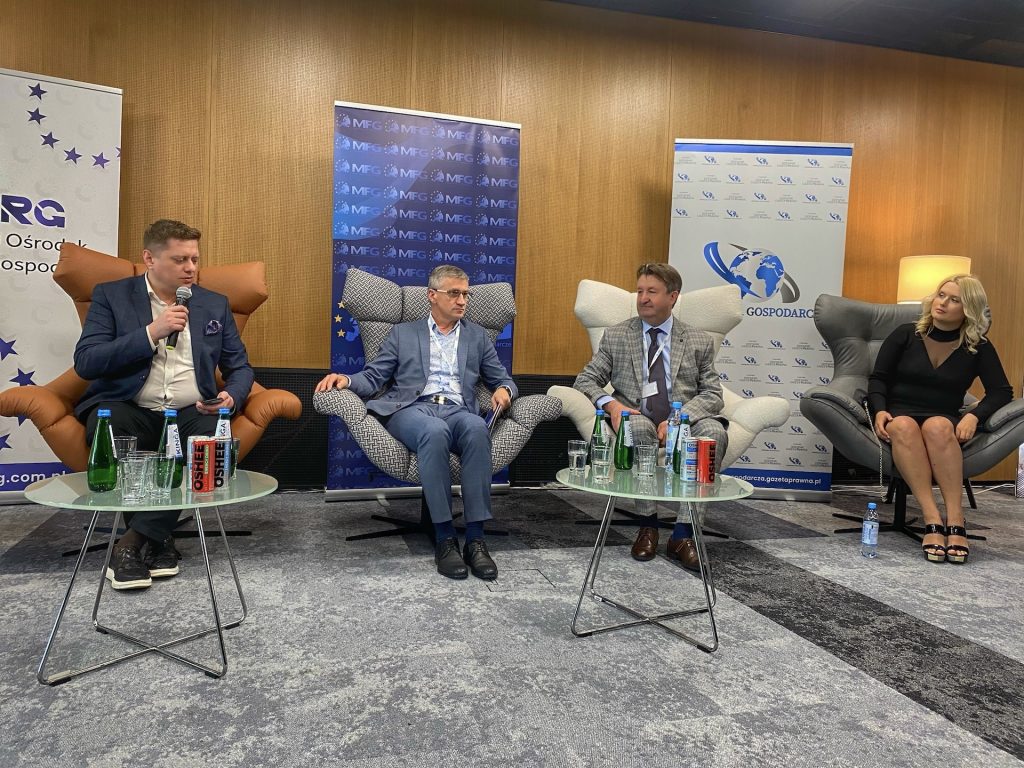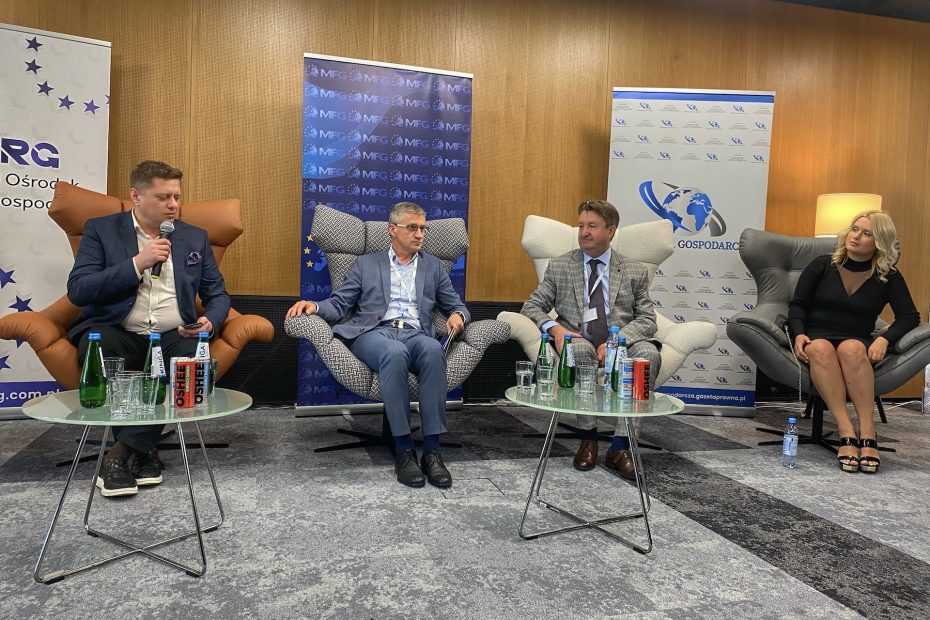
“Everything created on this planet is created by people, with the help of people and for people. Whether we talk about projects or investment, the economy or social policy, sooner or later the conversation turns to human capital: to those who make products and provide services for those who need them,” said Roman Matys at the 10th International Economic Forum.
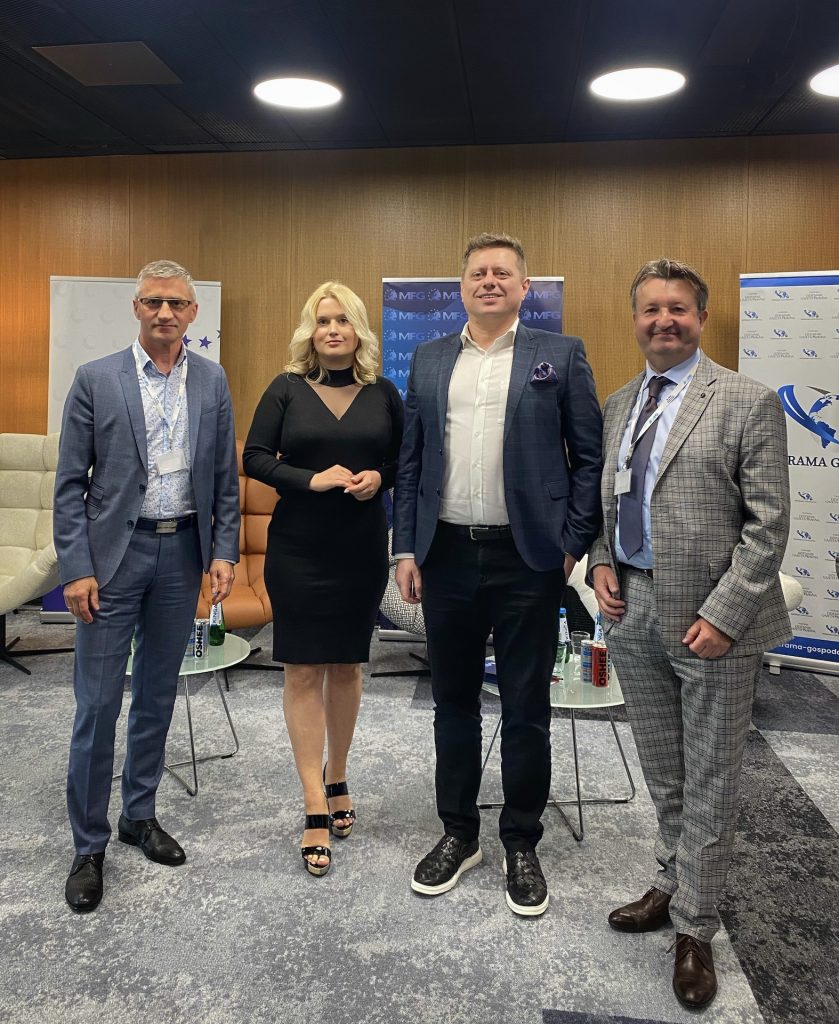
Together with representatives of the HR industry (Guala Closures DGS Poland, Worker Service, Profit Group, Ekspert), Roman Matys took stock of the labour market to identify significant shifts.
Views differed from industry to industry, but two key conclusions stood out.
An employee’s market
In general terms, and without going into the specifics of each sector, today’s reality is an employee’s market rather than an employer’s. That means more work for companies and their HR teams, but overall it is a good sign: business is becoming more people-centred. The old maxim “nobody is irreplaceable”, so often abused by managers of the old post-Soviet school, is losing its force. A well-educated, qualified employee was yesterday’s requirement; today that employee should also love their job and their company. Employer branding matters more than ever, and the trend is spreading from corporations to small and even micro businesses.
Artificial intelligence and soft skills
The panel could not ignore artificial intelligence and its impact on the labour market. Again, a lot depends on the industry, since AI will affect each one differently. Summing up the discussion, Roman Matys offered a conclusion all participants agreed with: whatever the industry, the overall effect of AI will be growing demand for professionals with strong soft skills.
As the world fills up with technology, the human ability to feel, empathise and follow intuition becomes even more valuable. That is something technology cannot do. At least not yet.