


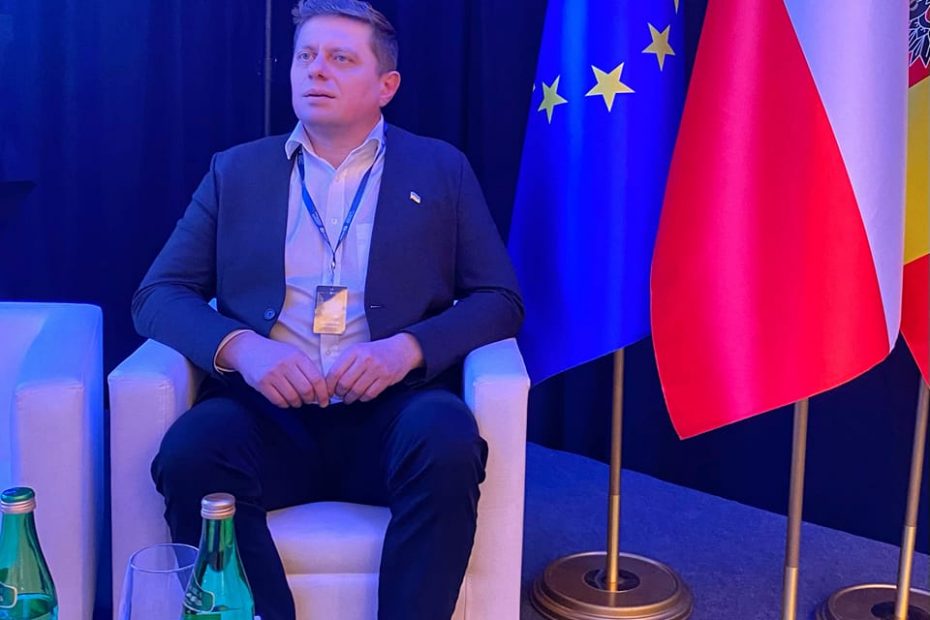
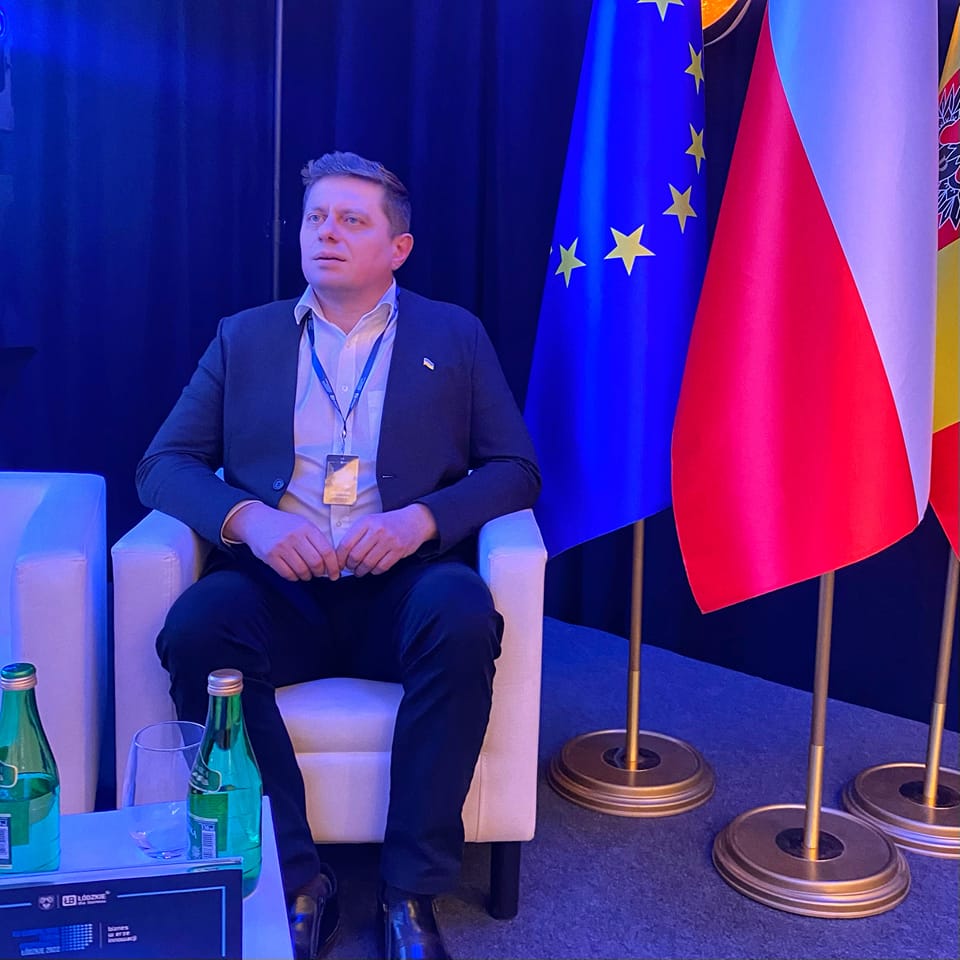
At the 15th anniversary European Economic Forum in Łódź (XV Europejskie Forum Gospodarcze – Łódzkie 2022), Roman Matys and fellow speakers looked for answers to questions including this one: why does support for entrepreneurship from regional and local government matter?
In fact, entrepreneurship is not a cure-all for economic growth. We need to work out which kind of entrepreneurship government should care about, and at what stage.
Germany, for example, distinguishes three broad types: ordinary entrepreneurship, innovative entrepreneurship and necessity-driven entrepreneurship. The last is unwelcome in any country, because it means people start businesses for lack of any other income. Such businesses often undercut prices, earn too little and push their owners to look for other sources of income.
It is impossible to avoid this type entirely, but it is important to make it a short transitional stage and help entrepreneurs move on to ordinary or innovative business. This can be achieved through cooperation between all institutions involved in supporting entrepreneurship: national, local and donor organisations. Support should mean access to financial instruments (cheap long-term loans, project co-financing, public funding for innovation), training for entrepreneurs, projects that build cooperation between them, simplified taxation and so on.
When asked “Why does supporting entrepreneurship matter?”, I answer: because most companies, even the big international corporations that employ tens of thousands of people, support tens of thousands of families and pay substantial taxes, were once small businesses with big ambitions.